

Cooking with cannabis should be simple and effective. Making RSO with olive oil or avocado oil is a straightforward method that lets you add cannabis to your meals without complicated processes or extra steps. Whether you’re making salad dressings, cooking with it, or adding it directly to your food, this method keeps it simple.
Before you start, potency matters. Getting the right dosage ensures you can use the oil in a way that works for you. The process begins with extra virgin olive oil or avocado oil and a precise measurement of plant material in your RSO. The math may seem challenging, but breaking it down step by step makes it easy.
This guide covers everything—from selecting the right oil to calculating potency and mixing it correctly. Follow along for a simple, effective way to create RSO-infused olive or avocado oil at home.
Understanding RSO (Rick Simpson Oil)

What is RSO?
Rick Simpson Oil (RSO) is a concentrated cannabis extract known for its high cannabinoid content. Made using a solvent-based extraction process, RSO contains the full range of compounds from the plant material, resulting in a thick, dark oil.
Why Use RSO for Infused Oil?
RSO is already decarboxylated, meaning it’s ready to mix with extra virgin olive oil or avocado oil without additional processing. This makes it an efficient option for infusion. By dissolving it into your preferred oil, you create a versatile ingredient that blends easily into food or recipes.
Choosing the Right Oil for Infusion
The oil you choose affects both potency and usability. Olive oil and avocado oil are popular choices because they mix well with cannabinoids and maintain stability over time. Their mild flavors complement a variety of dishes, making them an excellent base for RSO-infused oil.
Next, let’s break down how to calculate the potency of your infused oil to get the right dosage in every serving.
Why Use Olive Oil for Cannabis-Infused Oil?
A Trusted Choice for Infusions
Olive oil is a top choice for making infused oil due to its mild flavor, versatility, and ability to preserve cannabinoids. Unlike other oils like coconut oil, it has a balanced fat content that helps extract and retain key compounds from plant material without the need for harsh solvents.
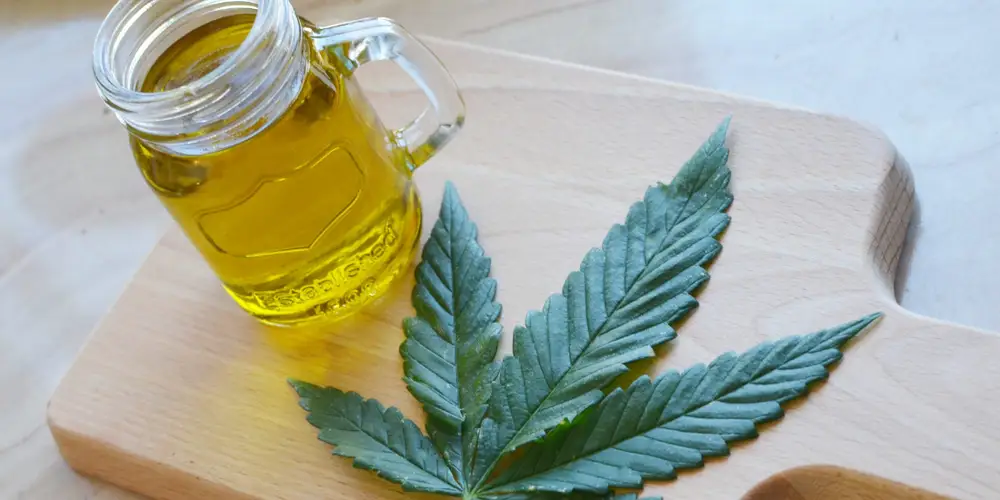
- Gently Infuses Cannabinoids – The natural fats in olive oil bind well with cannabis compounds, allowing for an effective infusion.
- No Need to Fully Decarboxylate in Advance – Since oil-based extractions retain heat well, the infusion process itself helps activate cannabinoids without requiring you to fully decarboxylate beforehand.
- Cleaner Extraction – Olive oil avoids the use of other oils that require additional processing steps.
Preserving the Full Spectrum of Cannabis
Versatility in Use
This infused oil works well in various applications:
- Cooking at low heat to maintain potency
- Salad dressings and finishing oils for extra flavor
- Direct consumption for easy and measured use
By using olive oil as the base, you get a simple and effective way to infuse cannabis into your daily routine.
Determining Potency of Cannabis Oil: Getting the Math Right
Why Potency Matters
When making RSO-infused oil, getting the right mg per serving ensures consistency. You want a dosage that allows you to use a standard amount—like one teaspoon—without measuring each time. This section walks you through the simple math to get the results you need.

Step-by-Step Potency Calculation
- Know Your RSO Strength – The potency of your oil depends on the total milligrams (mg) of cannabinoids in one gram of RSO. Check the label for this number.
- Determine Total Oil Volume – Convert the amount of extra virgin olive oil or avocado oil you’re using into milliliters (ml).
- 1 ounce = 29 ml
- 1 teaspoon = 5 ml
- 1 tablespoon = 15 ml
- Example: 12 ounces of oil = 348 ml
- Calculate the Potency per ml – Divide the total mg in your RSO by the total ml of oil.
- Example: If 1 gram of RSO contains 567 mg cannabinoids and you mix it with 12 ounces (348 ml) of oil:
- 567 mg ÷ 348 ml = 1.62 mg per ml
- Example: If 1 gram of RSO contains 567 mg cannabinoids and you mix it with 12 ounces (348 ml) of oil:
- Find the Potency per Teaspoon – Multiply the mg per ml by 5 (since 1 teaspoon = 5 ml).
- 1.62 mg × 5 ml = 8.1 mg per teaspoon
Adjusting the Potency
Want a stronger or milder infused oil? Adjust the amount of RSO or oil before mixing. More oil means a lower concentration, while less oil makes each serving more potent.
With the math sorted, let’s move on to the step-by-step recipe for making your RSO-infused olive or avocado oil.
Step-by-Step Recipe: Making RSO-Infused Olive or Avocado Oil
Ingredients & Tools You Need
- 1 gram RSO
- 12 ounces of extra virgin olive oil or avocado oil
- 1 glass bottle (can be the original oil bottle)
- 1 Pan or saucepan
- Low heat stove burner

The Infusion Process
- Pour the oil into a pan. Using extra virgin olive oil or avocado oil ensures a smooth infusion. You can use oven for additional warming if needed
- Apply low heat—set your burner to the lowest possible setting. Avoid high temperatures, as excessive heat can degrade cannabinoids.
- Squeeze the RSO into the warm oil. Since RSO is a solvent-based extract, it dissolves easily when heated gently.
- Stir to mix thoroughly. Keep stirring until the RSO is fully blended into the oil. This ensures even distribution and consistent potency in every serving.
- Turn off the heat and let the mixture settle. The infusion process is now complete.
- Transfer the infused oil into a glass bottle for storage.
Storage & Usage Tips
- Store in a cool, dark place to maintain potency.
- Add to meals for easy integration into your body’s daily routine
- Use in cooking, as a finishing oil, or in salad dressings.
- Avoid boiling water methods for heating the oil, as high temperatures can affect its profile
- If you cook with it, keep temperatures low to preserve cannabinoids—excessive heat can cause changes in the oil’s profile.
This simple recipe delivers a consistent infusion, ready for use in your meals or edibles for potential enjoyment and relief
How to Use and Store Your RSO-Infused Oil
Best Ways to Use Your Infused Oil
Your RSO-infused oil is now ready to use in a variety of food preparations. Whether you want to drizzle it over a dish or incorporate it into a recipe, this mixture blends easily with different ingredients. Here are some ways to prepare and enjoy it:
- Salad Dressings – Mix with vinegar and herbs for a simple dressing.
- Low-Heat Cooking – Use in sautéing or as a finishing oil after cooking.
- Infused Snacks – Add to dips, spreads, or even smoothies.
- Direct Consumption – Take a measured amount straight from the bottle for precise dosing.
Storage Tips for Maximum Freshness
To maintain potency, store your infused oil properly. Exposure to light and heat can degrade THC and other cannabinoids. Follow these guidelines:
- Keep the bottle in a dark, cool place.
- Avoid exposing the mixture to excessive warm temperatures.
- Use an airtight container to preserve freshness.
Why This Method Works
Unlike traditional weed infusions that require long heating times, this extraction method keeps the process simple. By using warm oil instead of prolonged heat, cannabinoids like THC remain stable and effective.
With proper storage and usage, your RSO-infused oil is a versatile addition to your kitchen. Now, let’s wrap up with some final thoughts and how to get started with your own batch.
Safety Precautions & Best Practices
Handling RSO Safely
Working with RSO requires careful handling to maintain quality and consistency. Follow these guidelines for a safe infusion process:
- Measure Your Dose Accurately – Always calculate the right amount of RSO to avoid making an infusion that’s too strong or too weak.
- Use a Low-Heat Stove Setting – High temperatures can degrade cannabinoids, reducing effectiveness. Never let the oil boil.
- Work in a Well-Ventilated Area – If you’re handling solvents, ensure proper airflow to prevent inhaling unwanted substances.

Ensuring a Consistent & Potent Infusion
- Mix Thoroughly – Stir the RSO and oil well so every ml of the final product has an even concentration.
- Choose the Right Container – Store your oil in an airtight jar to preserve its potency and freshness.
- Prevent Waste – Scrape every last bit of RSO from the syringe to maximize yield.
Using Your Infused Oil Safely
- If eating infused edibles, start with a small dose to gauge effects.
- For even distribution in recipes, fill a measuring cup and portion out servings carefully.
- If using the oil for treating food rather than cooking, drizzle it over dishes to maintain the strength of cannabinoids.
A well-made infusion ensures that every strain of effort results in a reliable, high-quality product. By following these best practices, you can create a RSO-infused oil that delivers consistency with every use.
Final Thoughts: Enjoying Your RSO-Infused Oil
Understanding the End Result
The end result of this process is a smooth, liquid oil infused with RSO, ready to be consumed in a variety of ways. Whether you use it for cooking or as a finishing oil, it delivers consistent potency in every serving.
Fine-Tuning for the Best Experience
- If the taste is too strong, mix it with other ingredients to balance the flavor.
- To control potency, start with half a teaspoon and adjust as needed.
- Keep your oil at the right temperature to avoid degrading cannabinoids.
Your First Step to a Reliable Infusion
This simple infusion is the first step toward making cannabis-based oils part of your kitchen routine. Using whole plants in extra virgin oil allows for a clean and effective treatment without the need for harsh solvents.
A Drop of Precision in Every Serving
For best results, measure each drop carefully to maintain consistency. The key point in this process is precision—by following these steps, you ensure every serving has the desired effect.
Now that you’ve mastered this infusion, you can start experimenting with different recipes and applications. You can now use this as a base to make Cannabis Infused Salad dressings or any variety of other recipes. Please note that if you cook with the Oil, depending on the temperature and time you cook with it, some of the cannabinoids will convert into CBN due to decarboxylation. See the education page on edibles for questions on decarboxylation. Enjoy your RSO-infused oil with confidence!
More From Urban Farmacy


