


Introduction to THCA and Delta 8
The cannabis industry continues to expand, introducing new hemp-derived cannabinoids that offer distinct effects and experiences. Two well-known compounds are THCA flower and Delta 8. While both originate from cannabis products, they have different chemical structures and interactions in the body.
THCA (Tetrahydrocannabinolic Acid) is the raw, non-psychoactive form of THC found in unheated cannabis. It does not produce intoxicating effects unless exposed to heat, which converts it into THC. On the other hand, Delta 8 is a naturally occurring cannabinoid known for its mild psychoactive properties, offering a different experience than traditional THC.
Why This Comparison Matters
When comparing THCA vs Delta 8 THC, the key difference is that THCA is non-psychoactive in its raw form, while Delta 8 THC is a mildly psychoactive cannabinoid. THCA is the precursor to THC and only becomes intoxicating when exposed to heat through smoking, vaping, or cooking. With so many cannabis products available, understanding the differences between THCA flower and Delta 8 helps you make informed choices. Whether you are looking for specific effects or exploring options related to pain relief, knowing how each compound works ensures you select the right product for your needs.
Key Takeaways
- THCA is a non-psychoactive cannabinoid in its raw form, but when heated, it converts into THC, which is classified as a controlled substance.
- Delta 8 THC is a psychoactive cannabinoid with milder psychoactive effects than Delta 9 THC, making it a popular choice for those seeking a less intense experience.
- The way you consume THCA determines its effects—raw THCA will not produce a high, but heating it activates its psychoactive properties.
- Both THCA and Delta 8 THC come from hemp-derived cannabinoids, but their legal status and effects differ.
THCA vs Delta 8: What Are THCA and Delta 8?
What is THCA?
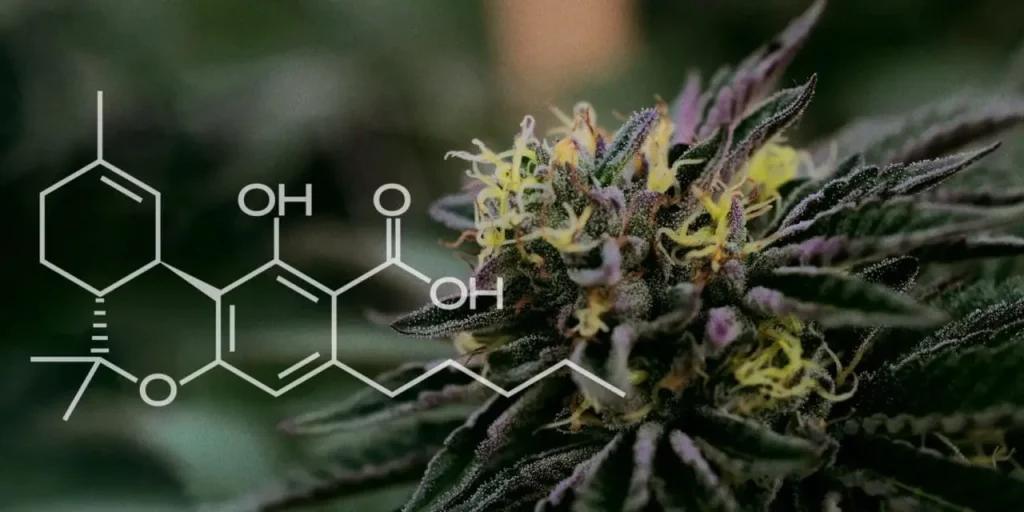
THCA (Tetrahydrocannabinolic Acid) is a naturally occurring compound found in raw cannabis. Unlike Delta 8 THC, it is non-psychoactive, meaning it does not produce a high unless heated through decarboxylation—a process that converts THCA into THC. This transformation happens when cannabis is smoked, vaped, or cooked into cannabis edibles. Many consumers seek out THCA flower for its raw consumption potential, often incorporating it into cannabis extracts or juices.
What is Delta 8 THC?
Delta 8 THC is a hemp-derived cannabidiol with mild psychoactive effects. Its molecular structure is similar to Delta 9 THC, the primary psychoactive compound in medical cannabis, but with a slightly altered bond that leads to a more balanced experience. Many users are drawn to Delta 8 for its unique properties, and it is available in various cannabis products, including cannabis edibles and vapes.
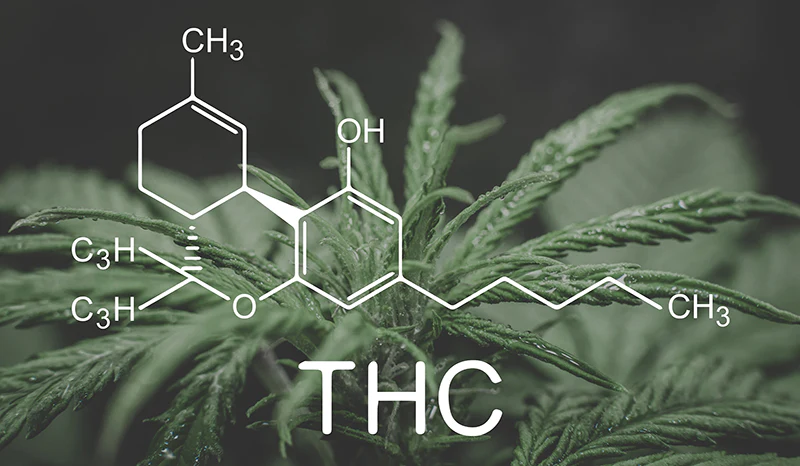
Both THCA and Delta 8 serve different purposes, making it essential to understand how they interact with heat, consumption methods, and user preferences.
How Are They Made?
THCA Formation in Cannabis Plants
THCA (tetrahydrocannabinolic acid) is a naturally occurring cannabinoid in cannabis plants. Unlike Delta 8 THC, which is typically synthesized from other compounds, THCA products are primarily found in raw cannabis flowers. As cannabis plants grow, they produce THCA as the precursor to THC, but it doesn’t create the psychoactive effects typically associated with THC.
When heated (a process called decarboxylation), THCA converts into Delta 9 THC, which is well known for its psychoactive properties. This natural formation of THCA is important for its role in cannabis products and why more research is needed to fully understand its potential benefits and how it interacts with the body.

Delta 8 THC Production Process (Isomerization from CBD)
Unlike THCA, Delta 8 THC does not occur in significant quantities in cannabis plants. Instead, it is commonly synthesized through a process known as isomerization. During this process, CBD (cannabidiol), a non-psychoactive compound derived from hemp, is converted into Delta 8 THC through the application of acids or catalysts.
This method has gained popularity due to the 2018 Farm Bill, which legalized hemp-derived cannabinoids like CBD. However, the Delta 8 THC produced through this method can vary in potency and purity, making quality control a critical step in ensuring the safety and consistency of the final product.
Quality Control & Safety Considerations
When discussing THCA vs Delta 8, it’s essential to understand their manufacturing differences.When manufacturing both THCA products and Delta 8 THC, quality control is paramount. Safety is a top priority, and it’s crucial to monitor the purity and potency of these cannabinoids throughout the production process. While both THCA and Delta 8 THC are derived from natural sources, the methods used to produce them can introduce impurities if not handled correctly.
It is essential for manufacturers to follow strict safety guidelines to ensure the final products are free from contaminants and meet regulatory standards. This includes conducting lab testing to confirm the cannabinoid profile and the absence of harmful substances. Consumers should always seek out products with third-party lab results to ensure they are purchasing safe, reliable cannabis products.
Effects on the Body
Psychoactive Properties: THCA vs. Delta 8’s High
THCA and Delta 8 have distinct effects due to differences in their chemical structure. THCA is an acidic precursor found in cannabis plants mature and does not produce intoxicating effects in its raw form. However, when exposed to heat through a process called decarboxylation, it converts into THC, which can lead to potent effects.
Delta 8, on the other hand, is a psychoactive cannabinoid that occurs naturally in small amounts. Unlike traditional THC, it is often described as producing a milder high with reduced likelihood of adverse reactions such as anxiety or paranoia. Many users prefer it for a more balanced experience compared to stronger cannabinoids.
Interaction with the Endocannabinoid System

Both THCA and Delta 8 interact with the body’s endocannabinoid system (ECS), but in different ways. THCA does not directly bind to cannabinoid receptors but may still influence ECS function alongside other cannabinoids. In contrast, Delta 8 binds to CB1 receptors in the brain, leading to noticeable psychoactive effects.
While some research explores potential neuroprotective properties, it’s always recommended to seek professional medical advice before using any cannabis products.
Legal Status & Regulations
THCA Legality
Tetrahydrocannabinolic acid (THCA) is classified differently depending on its raw form and how it is processed. Under the Farm Bill, hemp-derived cannabis products containing less than 0.3% Delta 9 THC are federally legal. Since THCA diamonds and other high-THCA products can convert to THC when heated, some states regulate them similarly to marijuana. Always check state-specific rules before purchasing or possessing THCA products.
Delta 8 Legality
Delta 8 exists in a federal gray area due to its psychoactive properties and how it is derived. While hemp-derived Delta 8 is federally legal under the Farm Bill, many states have imposed restrictions or outright bans. Some states regulate it like recreational cannabis, while others prohibit its sale. Always verify local laws, as regulations continue to evolve.
Consumption Methods: Best Ways to Use Each Cannabinoid

How to Consume THCA
THCA is commonly found in raw cannabis and must be preserved in its natural state to avoid converting into THC. The most effective ways to consume it include:
- Raw Consumption – Fresh marijuana plants can be juiced or blended into smoothies to retain THCA without activating its psychoactive properties.
- Tinctures – These liquid extracts provide a convenient way to take THCA sublingually or mix it with food.
- Extracts and Concentrates – Various cannabis products feature high-THCA content, including oils and isolates, which can be used in different applications.
How to Consume Delta 8
Unlike THCA, Delta 8 is already active and does not require heat for conversion. The most popular ways to consume Delta 8 include:
- Edibles – Gummies and infused foods offer a longer-lasting experience, making them a popular choice.
- Vaping – Inhalable options allow for quick absorption, providing an efficient way to experience how the compounds interact in the body.
- Tinctures – Sublingual drops offer a precise and controlled way to consume Delta 8, with effects that fall between edibles and vaping.
Each consumption method offers a unique experience, allowing users to choose based on preference and desired effects.
Comparing Benefits & Side Effects

Potential Benefits
THCA flower and Delta 8 are commonly consumed for different reasons. While THCA is non-psychoactive in its raw form, Delta 8 provides a milder experience than other cannabis products. Some users prefer controlled dosing with Delta 8, while others seek alternative options without intoxication.
Possible Side Effects
Like any hemp-derived cannabinoids, both compounds come with potential side effects. Users may experience dry mouth, temporary memory effects, or other mild discomforts. Safety is also a factor, especially when combining these with prescription medications. Additionally, their legal status varies by state, and both substances can impact drug tests, making it important to verify regulations before use.
Drug Testing & Detection Risks
Will THCA Show Up on a Drug Test?
Many drug tests screen for delta 9 THC, the primary psychoactive cannabis compound. While THCA itself is a non-psychoactive precursor, it can convert into delta 9 THC when exposed to heat. This means that if you consume THCA flower, your body may metabolize it into detectable THC levels. The likelihood of failing a test depends on how much THC is produced during consumption and individual metabolism factors.
Will Delta 8 Trigger a Positive Test?
Like delta 9 THC, delta 8 is a hemp-derived cannabidiol that can show up on a standard drug test. Most tests do not differentiate between THC types, meaning a cannabis user who consumes delta 8 could still receive a positive result.
Even products labeled as hemp-derived CBD may contain trace amounts of THC, which could contribute to a failed test. If drug testing is a concern, it’s important to consider potential risks when using cannabis flowers or any cannabis products.
Final Thoughts & Summary
When comparing THCA vs Delta 8, understanding the differences can help you make informed choices. Both are hemp-derived cannabinoids, each with unique characteristics and effects. While THCA is non-psychoactive in its raw form, Delta 8 offers a different experience.
Before purchasing or using these cannabis products, be aware of local laws in your area. Some states regulate these cannabinoids differently, and standard drug tests may not distinguish between them.
Whether you’re exploring options that may stimulate appetite or looking into how cannabinoids interact with the endocannabinoid system, knowing the distinctions between these compounds is key. Always stay informed and choose products that align with your needs and legal guidelines.

Who We Are & Where to Buy
About Urban Farmacy – A Trusted Cannabis Dispensary in Portland, OR
At Urban Farmacy, we take pride in offering high-quality THCA flower and other hemp-derived cannabinoids to customers seeking premium cannabis products. Located in Portland, OR, our dispensary is known for its carefully curated selection and knowledgeable staff. Whether you’re looking to buy THCA or explore different strains, we’re here to guide you.
Our team stays informed on cannabinoid research, helping customers understand how cannabinoid receptors interact with the body’s endocannabinoid system. While research continues to explore topics like neurodegenerative diseases, brain cells, and short-term memory impairment, we focus on providing a selection that meets a variety of preferences.
Explore More on Our Cannabis Blog
Want to learn more about THCA flower, Delta-8, and other hemp-derived cannabinoids? Our blog covers industry trends, insights, and product education. Whether you have questions about dry mouth or the latest studies on neurodegenerative disorders, you’ll find valuable information to help you make informed choices.
Urban Farmacy is a cannabis dispensary in NE Portland OR, founded in 2014. Check out our cannabis blog for tons more articles like this one!


